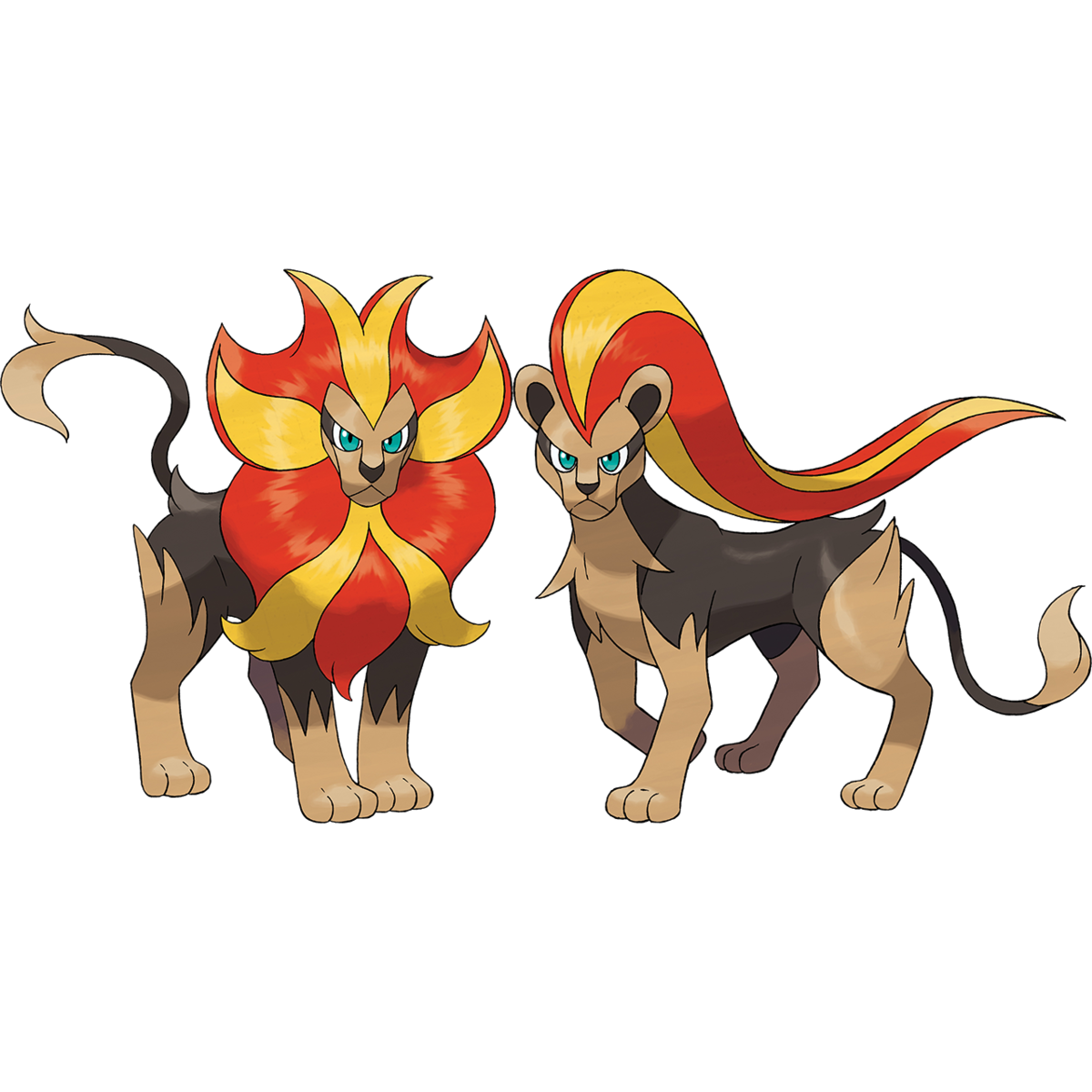
Kalos
Chespin #650
The quills on its head are usually soft. When it flexes them, the points become so hard and sharp that they can pierce rock.

Quilladin #651
It relies on its sturdy shell to deflect predators’ attacks. It counterattacks with its sharp quills.

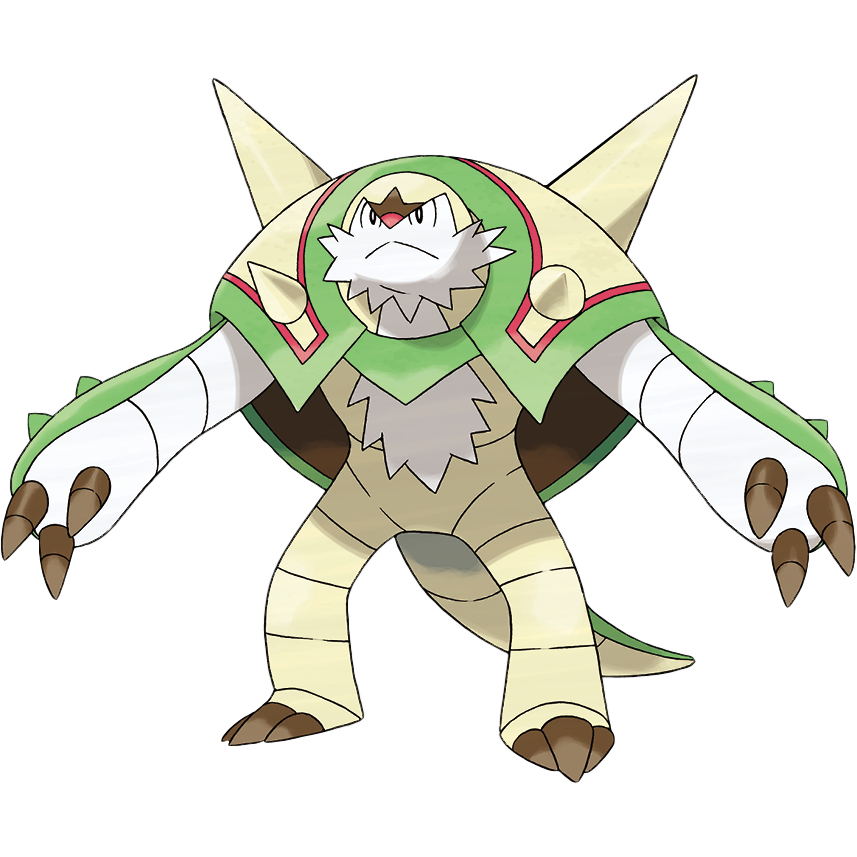
Chesnaught #652
Its Tackle is forceful enough to flip a 50-ton tank. It shields its allies from danger with its own body.
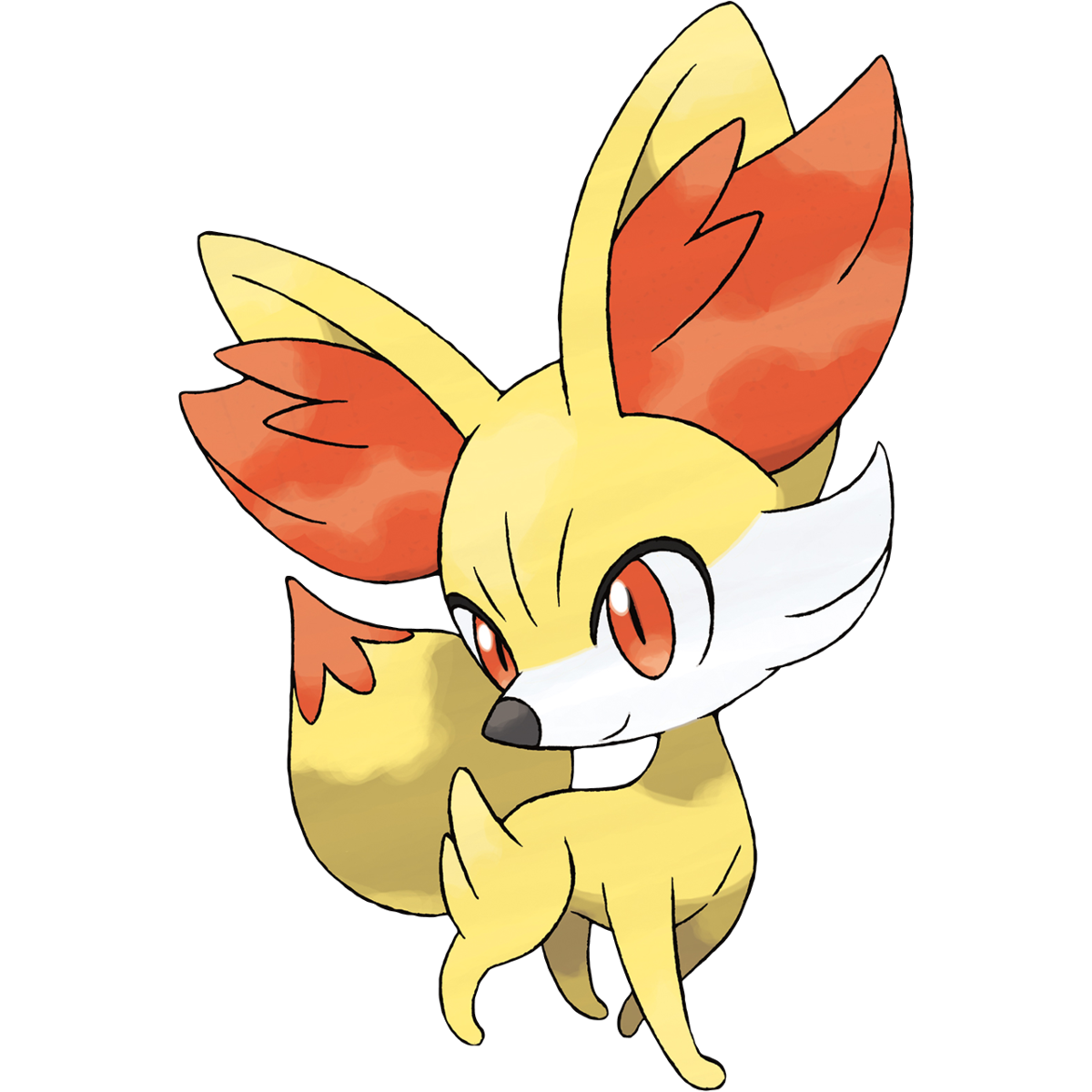
Fennekin #653
Eating a twig fills it with energy, and its roomy ears give vent to air hotter than 390 degrees Fahrenheit.
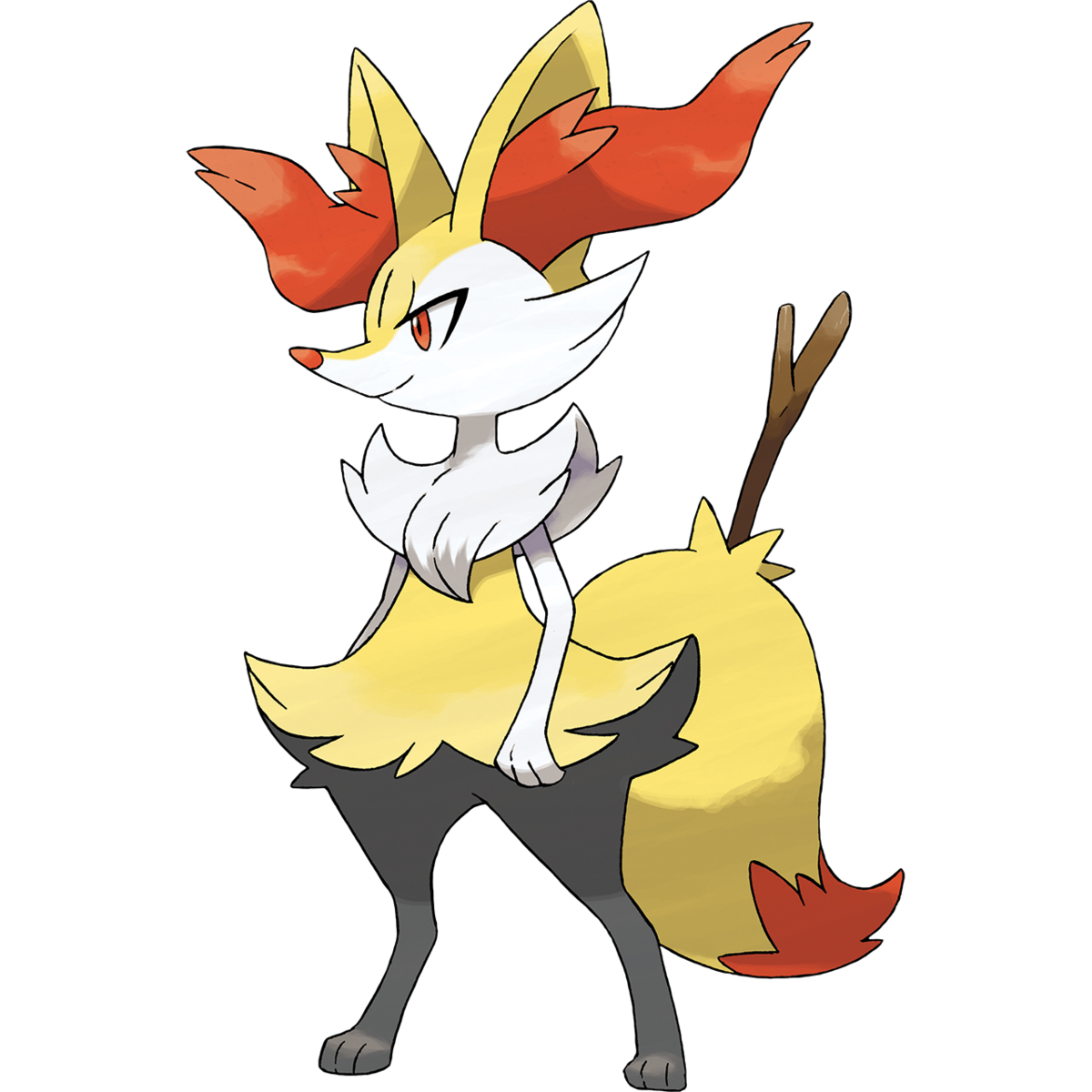
Braixen #654
It has a twig stuck in its tail. With friction from its tail fur, it sets the twig on fire and launches into battle.
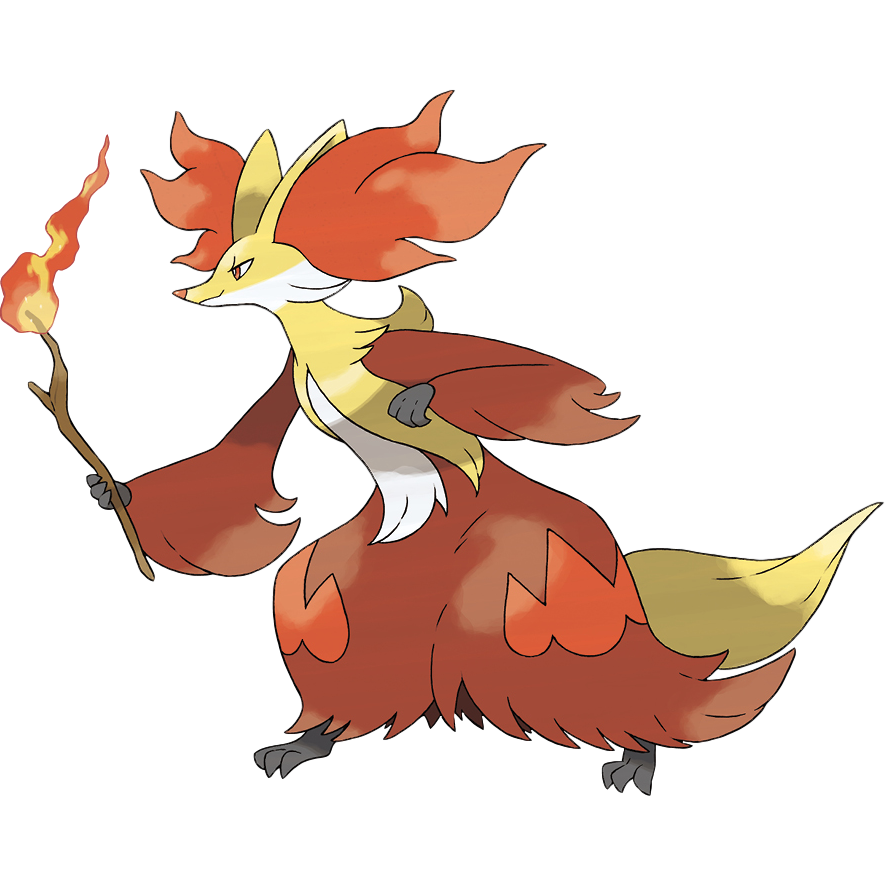
Delphox #655
It gazes into the flame at the tip of its branch to achieve a focused state, which allows it to see into the future.
Froakie #656
It secretes flexible bubbles from its chest and back. The bubbles reduce the damage it would otherwise take when attacked.

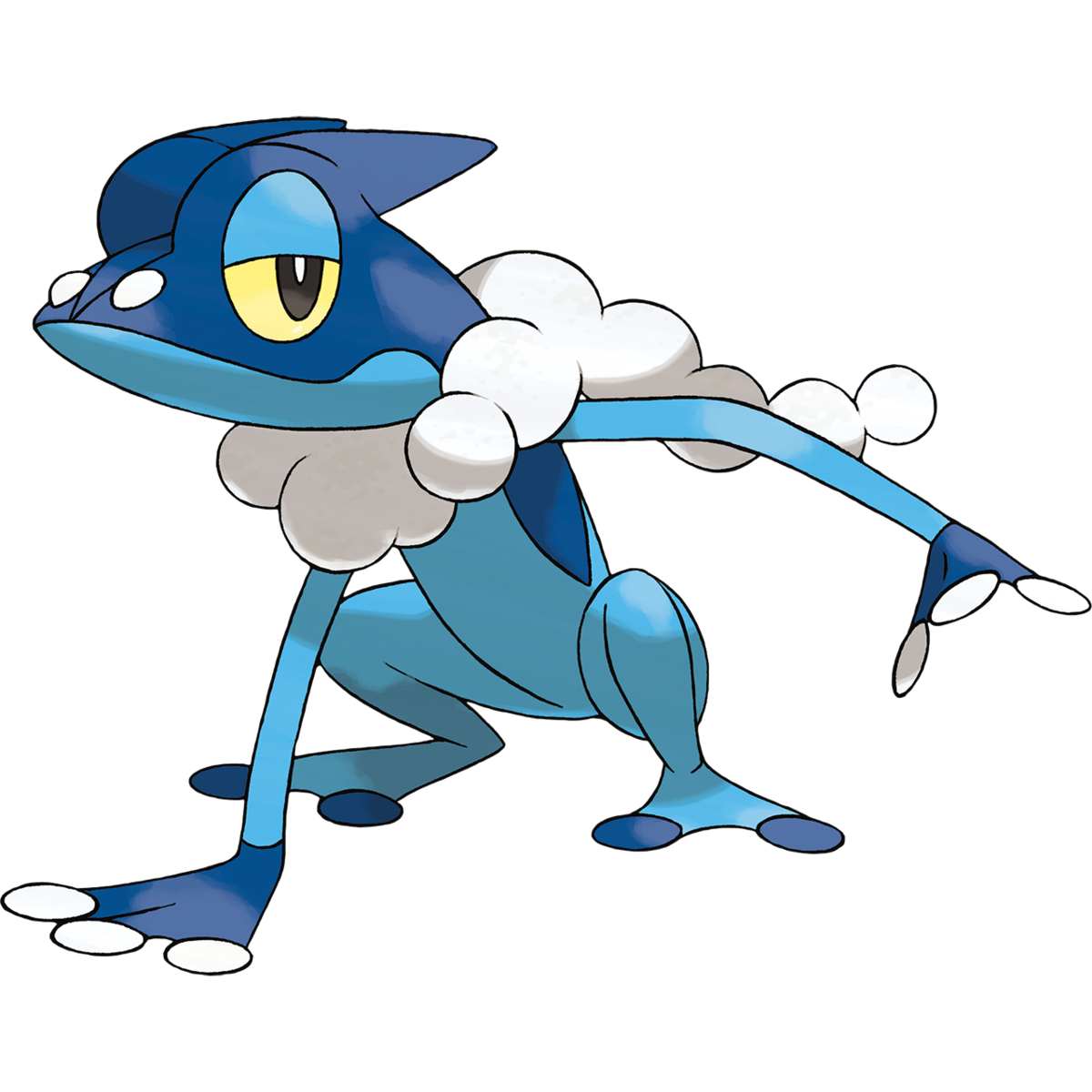
Frogadier #657
It can throw bubble-covered pebbles with precise control, hitting empty cans up to a hundred feet away.
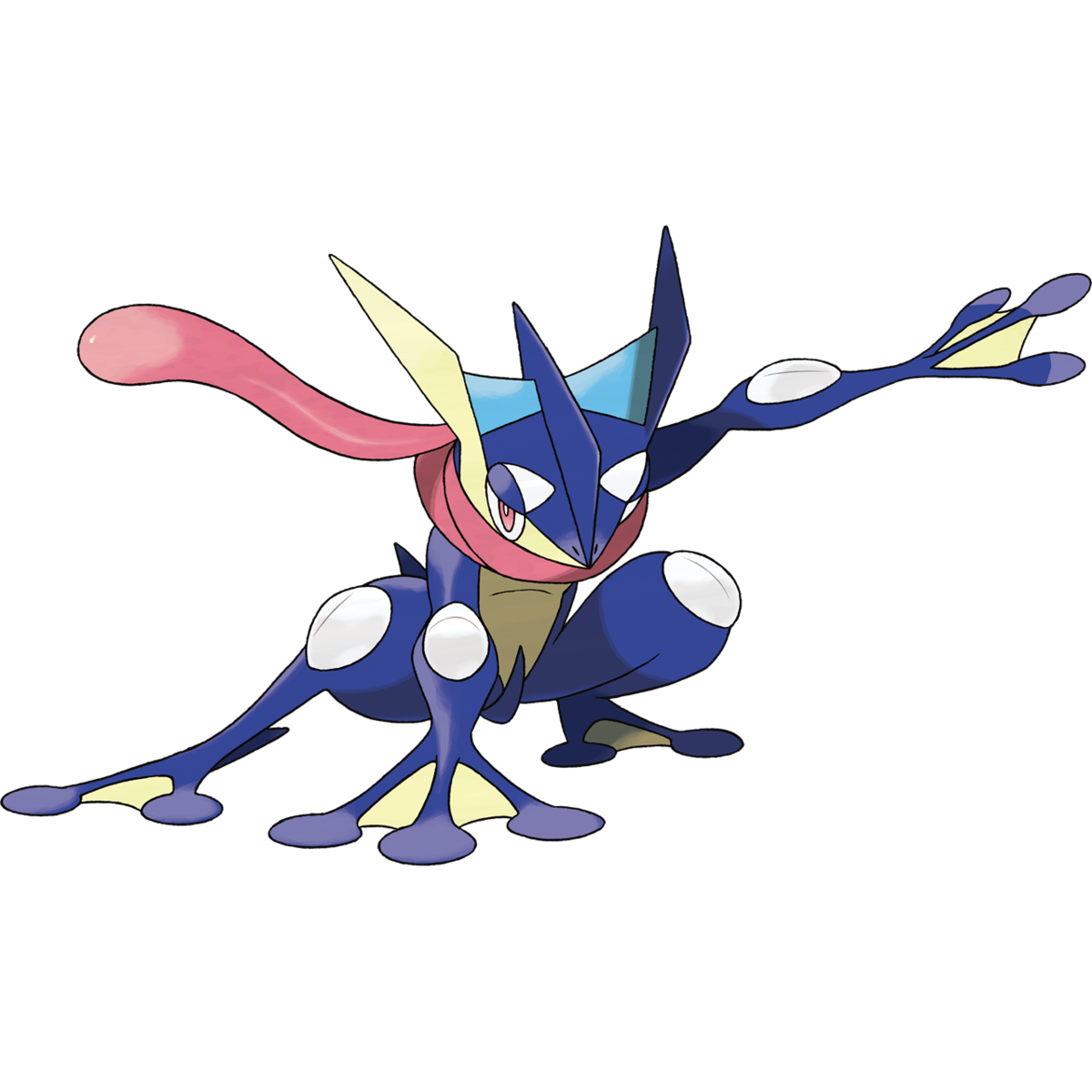
Greninja #658
It creates throwing stars out of compressed water. When it spins them and throws them at high speed, these stars can split metal in two.
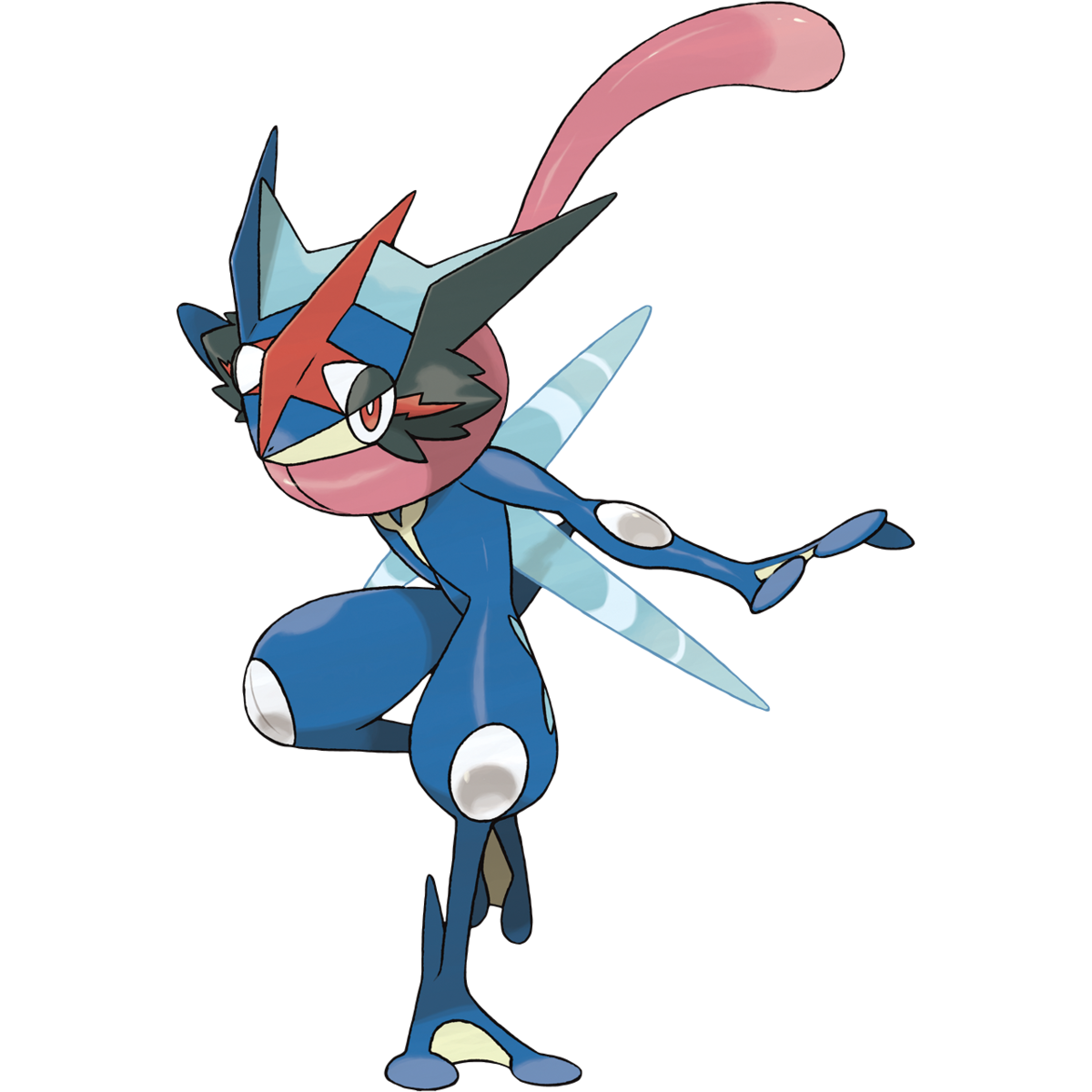
Ash
Bunnelby #659
It excels at digging holes. Using its ears, it can dig a nest 33 feet deep in one night.
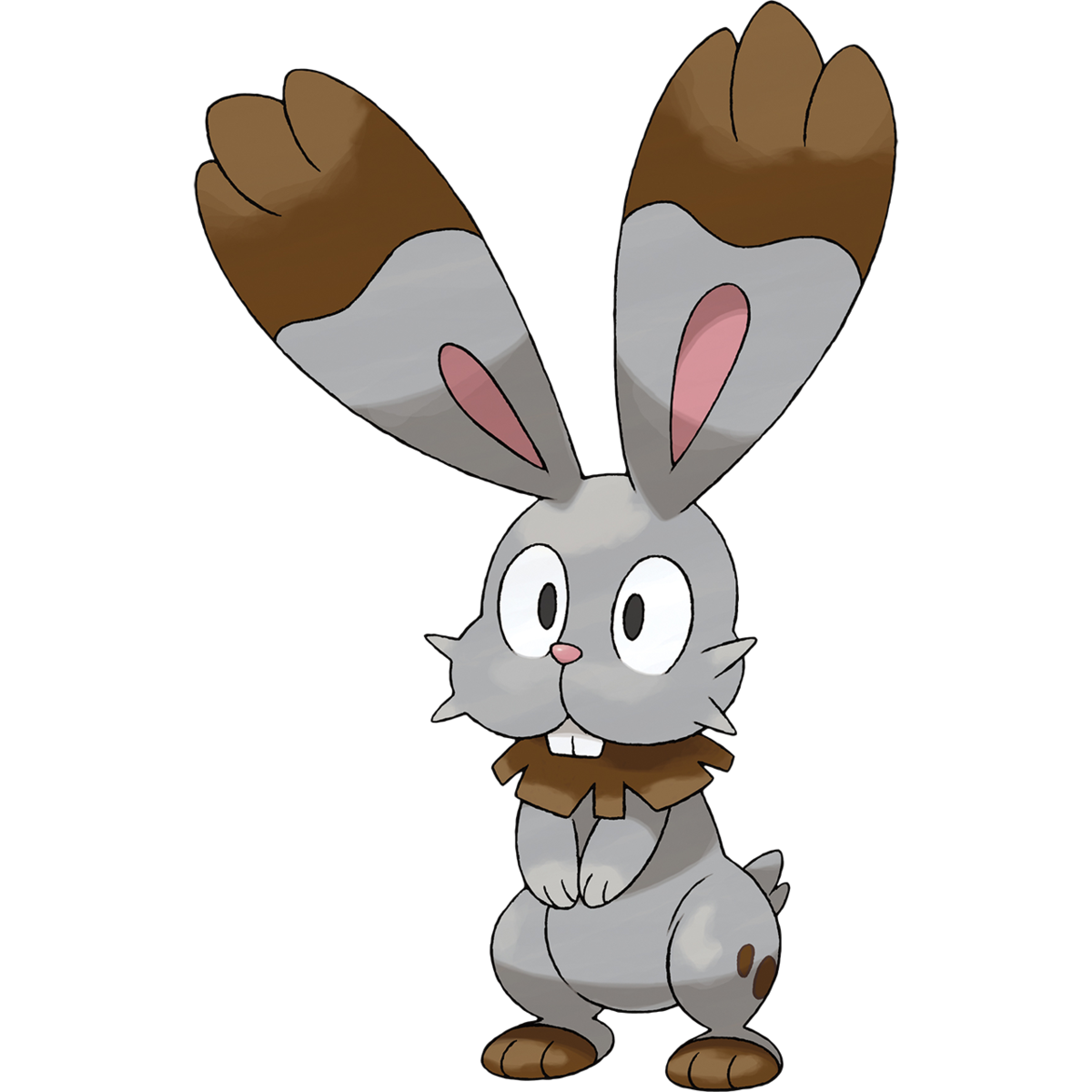
Diggersby #660
With power equal to an excavator, it can dig through dense bedrock. It’s a huge help during tunnel construction.

Fletchling #661
ts melodious cries are actually warnings. Fletchling will mercilessly peck at anything that enters its territory.
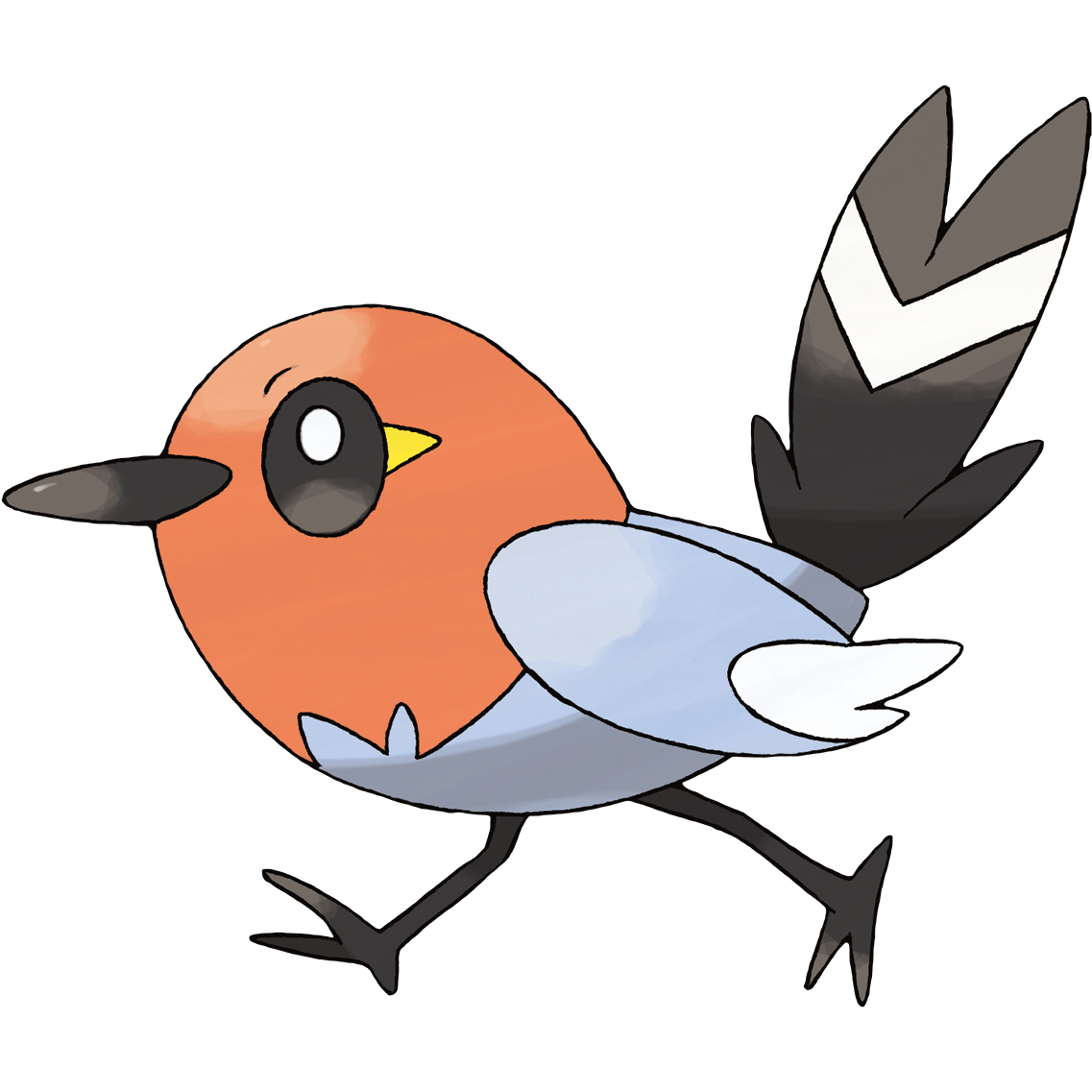
Fletchinder #662
Fletchinder launches embers into the den of its prey. When the prey comes leaping out, Fletchinder’s sharp talons finish it off.
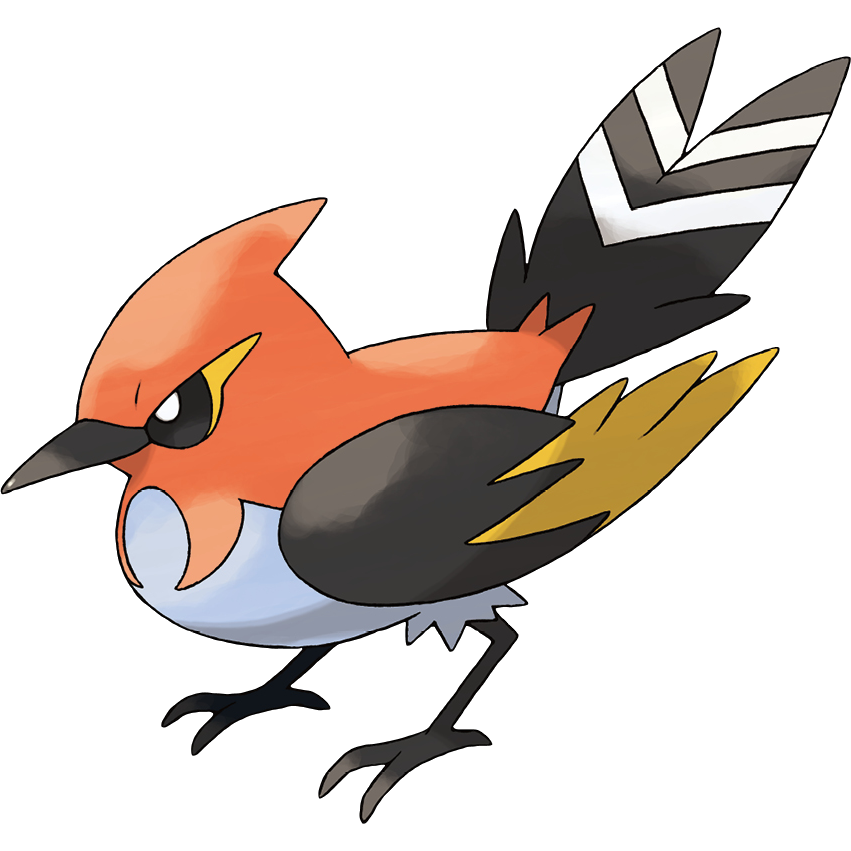
Talonflame #663
Talonflame mainly preys upon other bird Pokémon. To intimidate opponents, it sends embers spewing from gaps between its feathers.
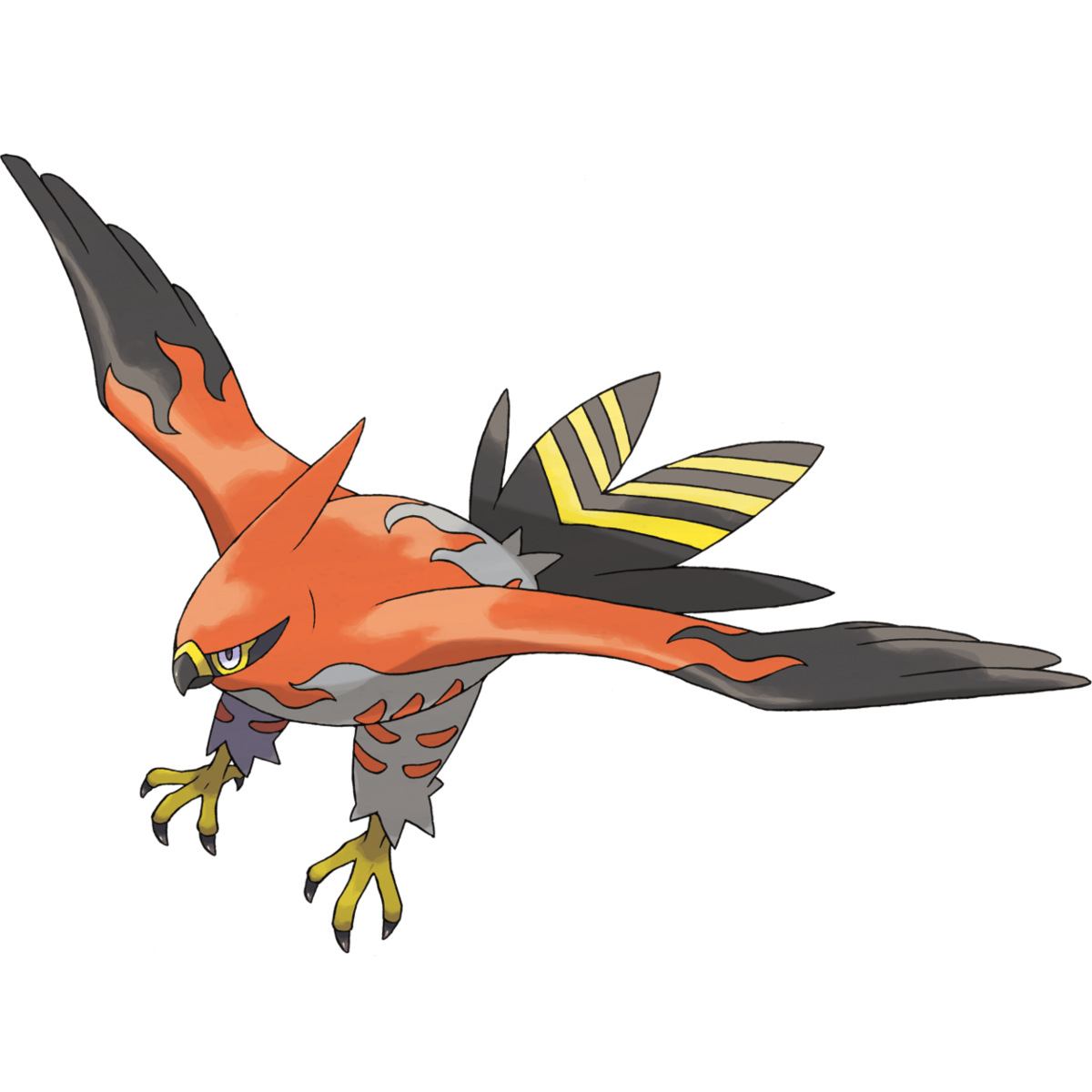
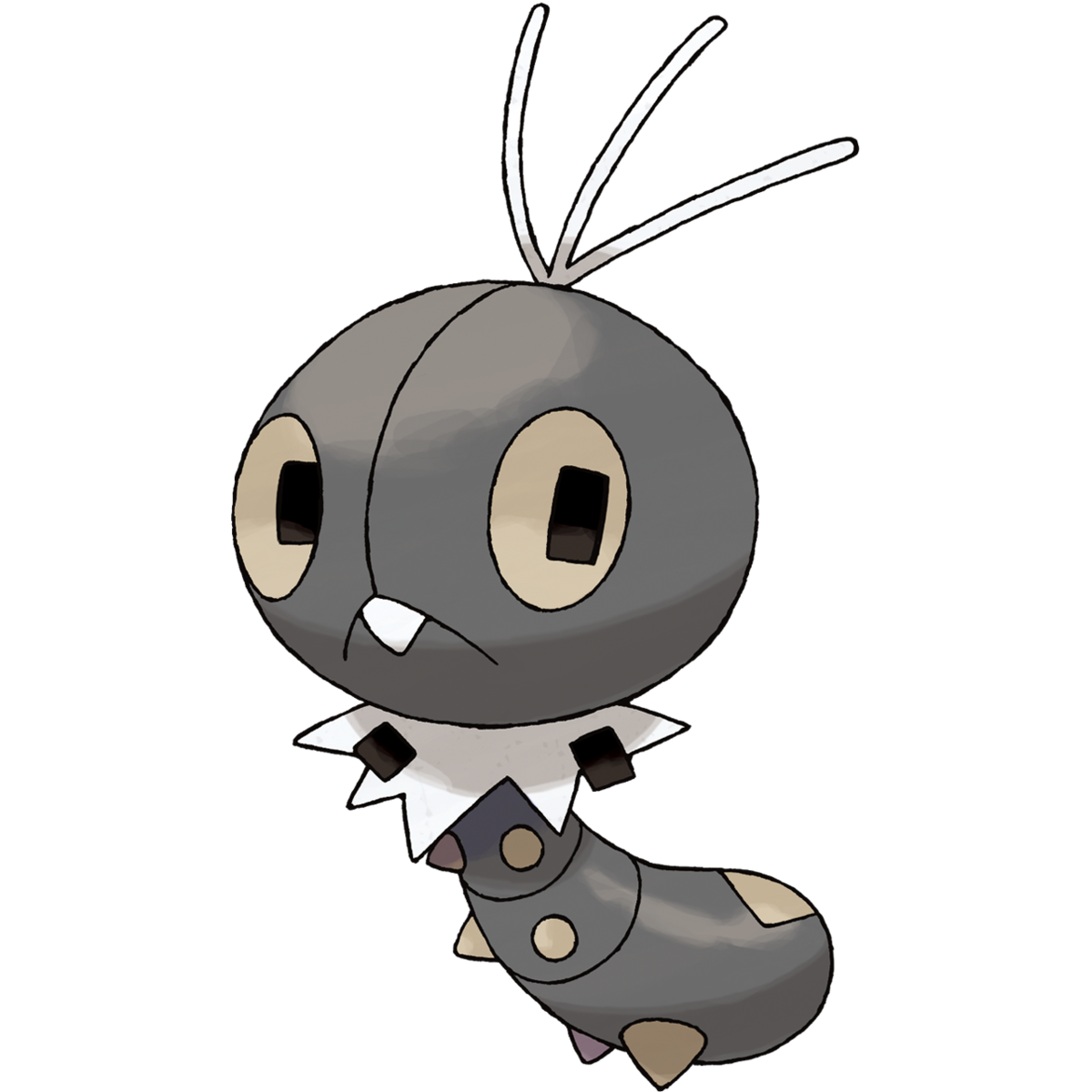
Scatterbug #664
When under attack from bird Pokémon, it spews a poisonous black powder that causes paralysis on contact.
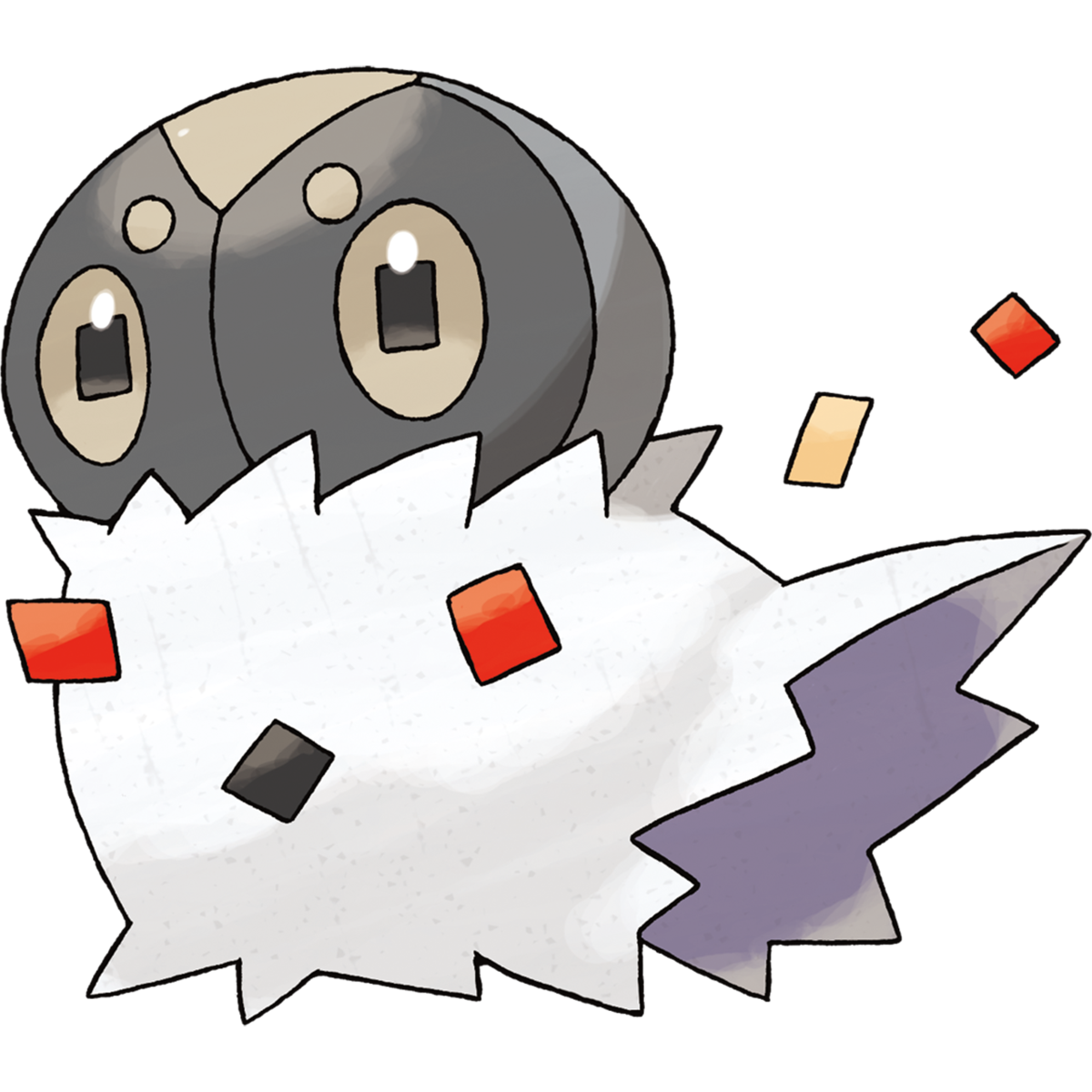
Spewpa #665
It lives hidden within thicket shadows. When predators attack, it quickly bristles the fur covering its body in an effort to threaten them.
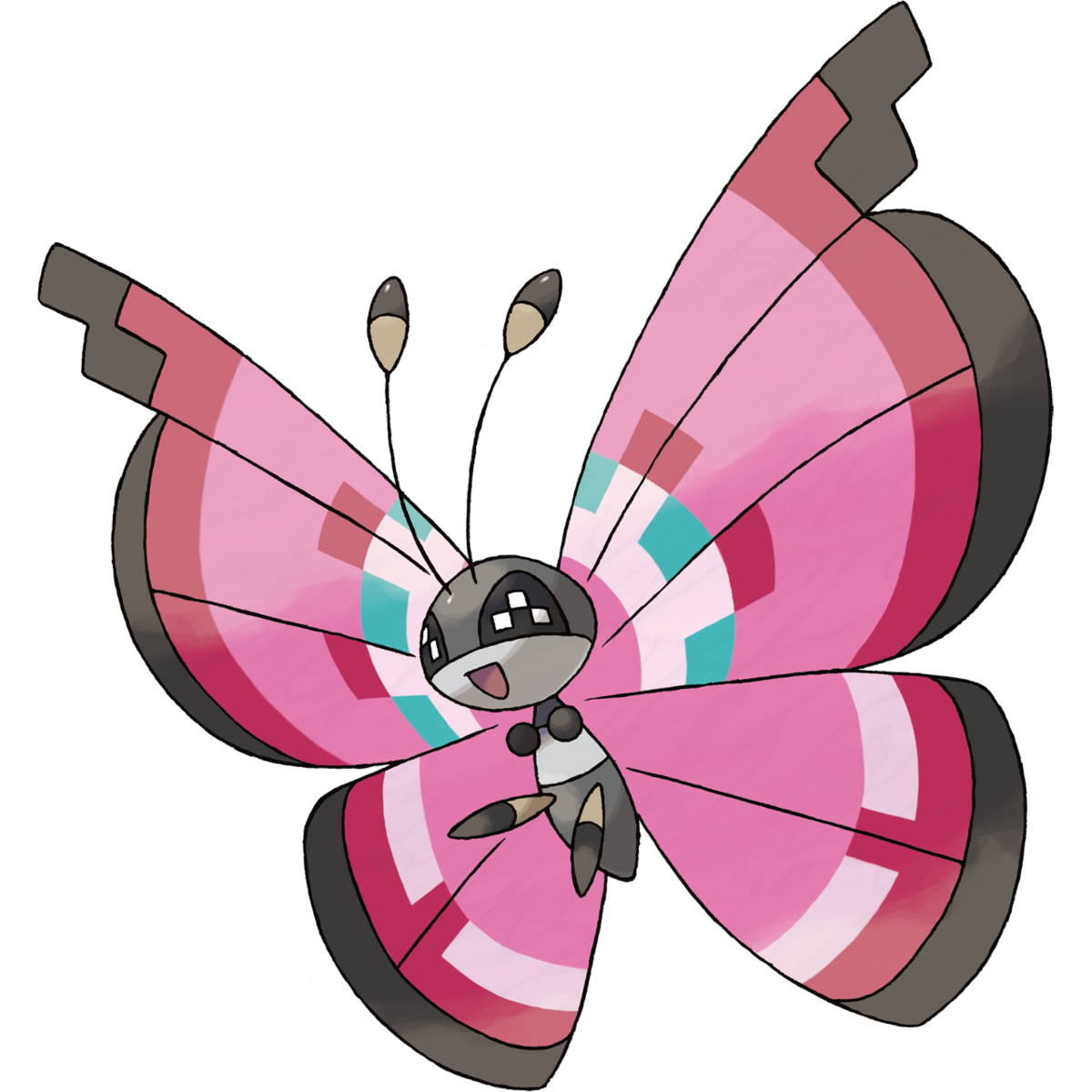
Vivillon #666
Vivillon with many different patterns are found all over the world. These patterns are affected by the climate of their habitat.
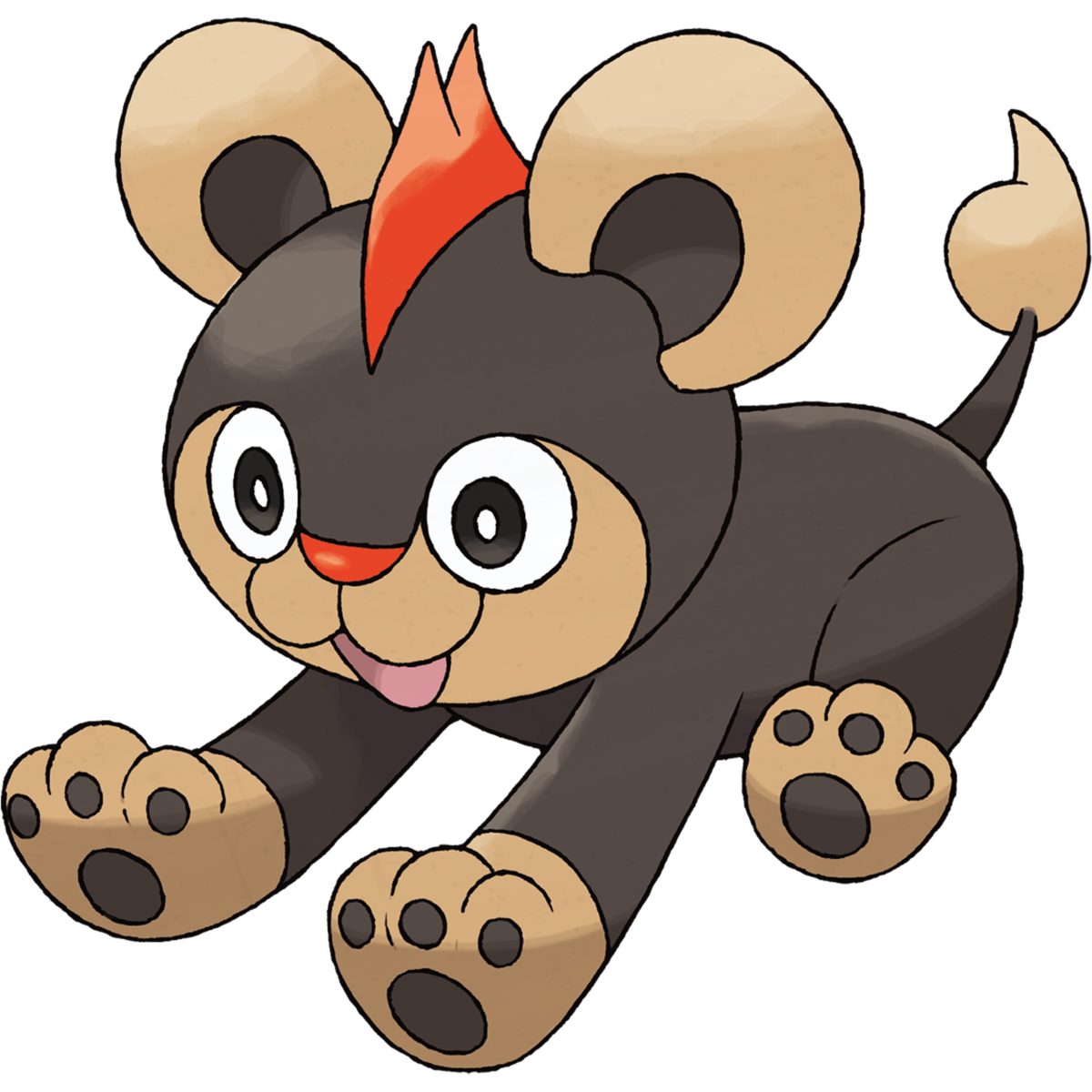
Litleo #667
When they’re young, they live with a pride. Once they’re able to hunt prey on their own, they’re kicked out and have to make their own way.
Pyroar #668
The males are usually lazy, but when attacked by a strong foe, a male will protect its friends with no regard for its own safety.